
ARTFUL NATURALISM
In Winter 2026, the Redpath Natural History Museum in Montreal, Canada, hosted Artful Naturalism, an exhibit that integrated contemporary art into the Museum’s permanent displays. It featured works by TERA members Nadia Huggins ad Gabriel Dharmoo, along with an installation by a McGill university team led by Hillary Kaell.
History of the Exhibit
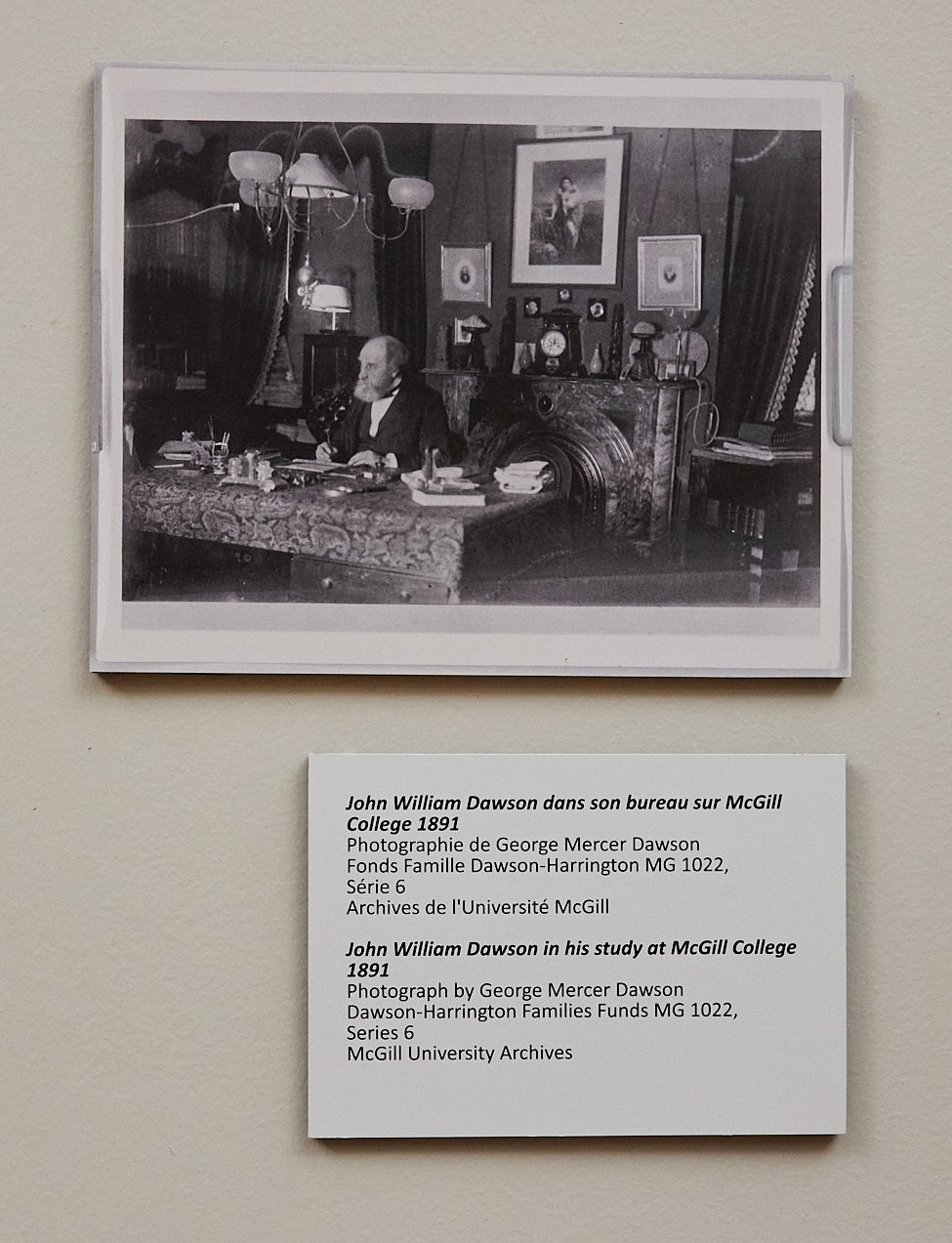
In 2021, Hillary Kaell received a William Dawson Research Chair to work on religion and ecology. It prompted her to explore the legacy of William Dawson (1820–1899), Principal of McGill University, a prominent geologist, president of Montreal’s Natural History Society, and founder of the Redpath Museum in 1882.
Dawson was a leading natural scientist, as well as a committed Christian who believed the Bible contained immutable truths. Merging religion and science in ways that may seem contradictory today, Dawson believed that studying nature revealed God’s ordered design. For him, natural science owed society a duty, which was “to work and to teach in harmony with the religious sentiments of mankind…[to uphold] the belief in immortality.”
While Kaell’s work differs from Dawson’s, she also explores the places where spirit and nature meet. Inspired by Dawson, she organized the TERA Collective—both a tribute to and a critique of Victorian natural history societies, like the one Dawson led in Montreal.
The Artful Naturalism exhibit extended the relationships formed through TERA, just as the Redpath Museum grew from Dawson’s networks in the Natural History Society, whose collections helped shape its early displays.
Redpath Museum as Object and Site
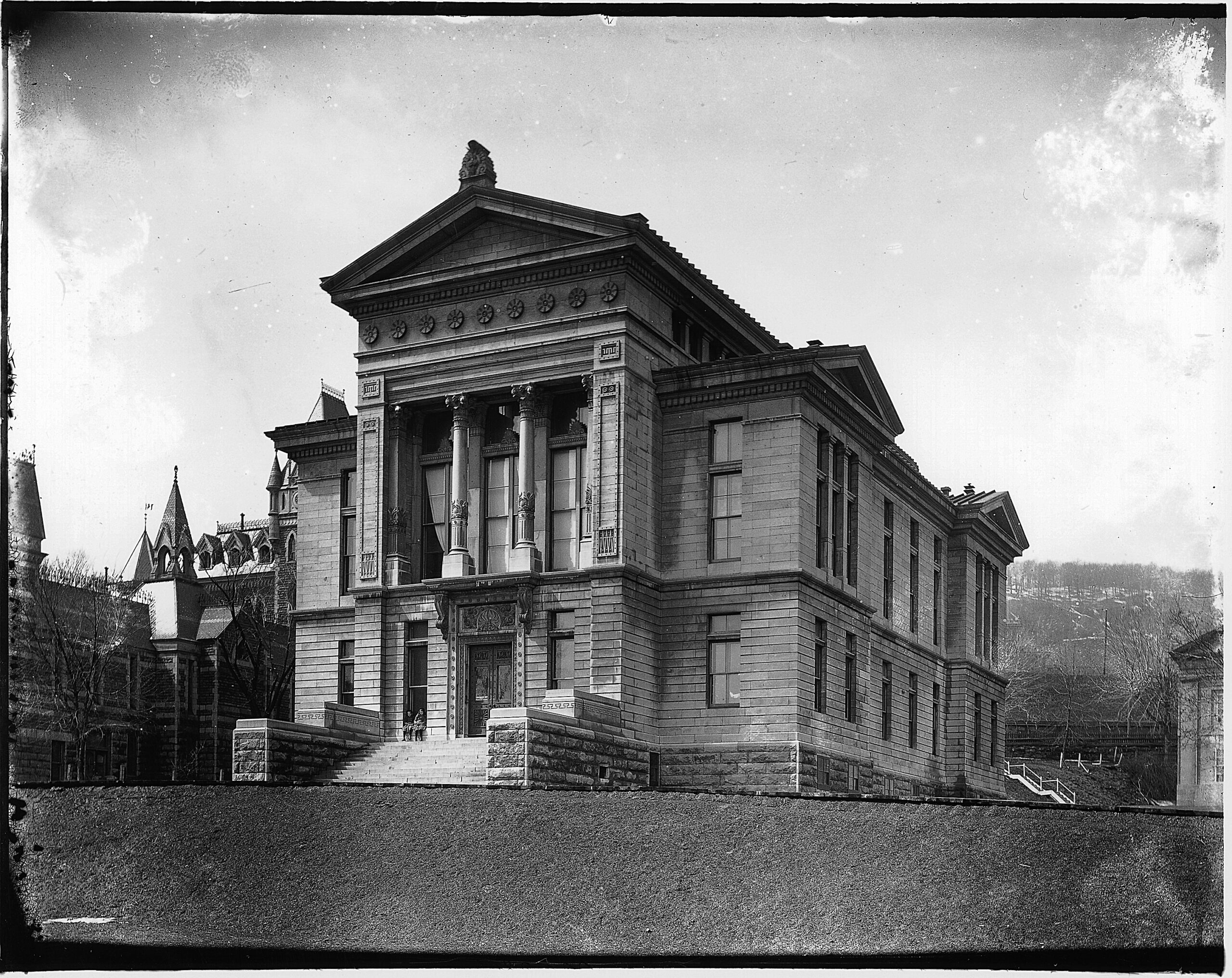
The historic Redpath Museum retains much from its Victorian foundation. In his own day, Dawson hoped the exhibits communicated something important about the Christian faith.
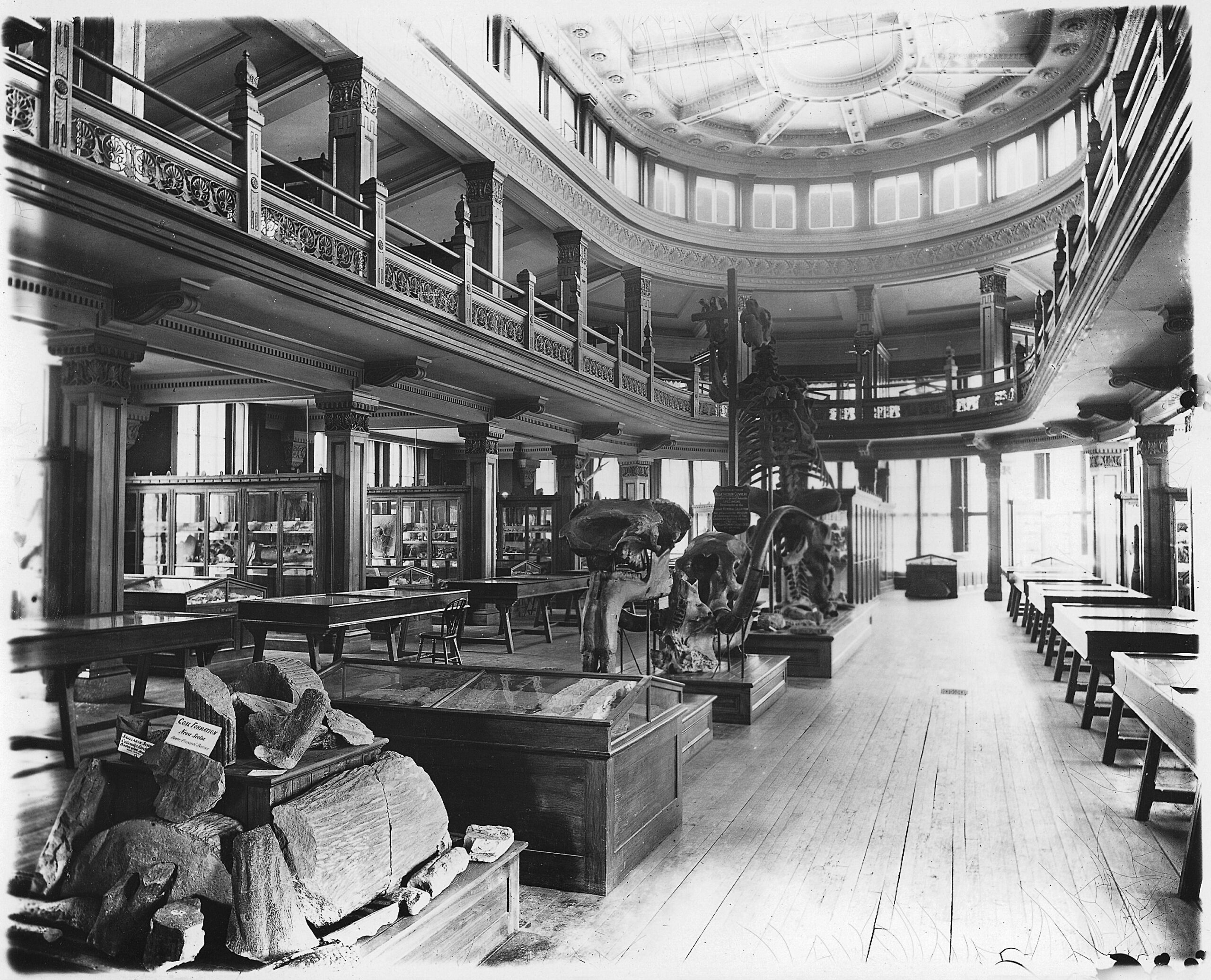
For Dawson, the museum’s carefully ordered collections demonstrated the Creator’s intentional design. He believed all life began in a single act of creation described in the Bible and rejected the idea that species—including humans—evolved over time. He placed human artifacts alongside animal fossils from different eras to challenge evolutionary theories of successive stages. He only included human artifacts from non-monotheistic cultures, reinforcing their difference from Christianity. While other religions could be studied in the context of natural history, Christianity structured the meaning of life itself.
Funding for Dawson’s museum came from the Redpath family, which made its fortune importing raw sugar from plantations in the British West Indies. Gabriel’s paternal ancestors were Indian indentured labourers on British-owned sugar plantations in Trinidad. Nadia, a Black person with ancestry in Spain, India, and West Africa, comes from St. Vincent, where enslaved Africans powered the sugar economy.
Their work enters into conversation with the museum’s collections—and with the histories that made them possible.
Artful Naturalism: The Exhibit
Loosely inspired by Dawson’s blending of science and spirituality, the artworks in Artful Naturalism rethink boundaries between natural and unnatural, human and animal, spiritual and earthly, this world and others. Dawson’s Desk recalls the Victorian era, while works by Nadia and Gabriel explore these questions in contemporary ways.
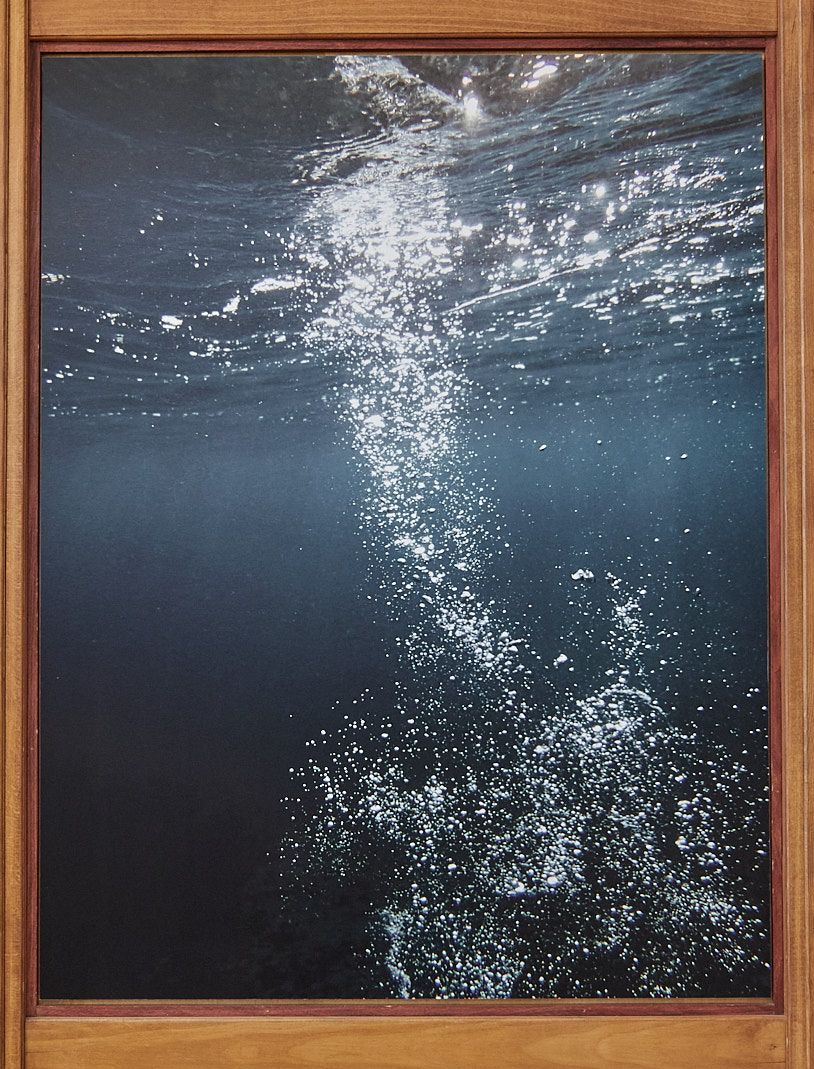
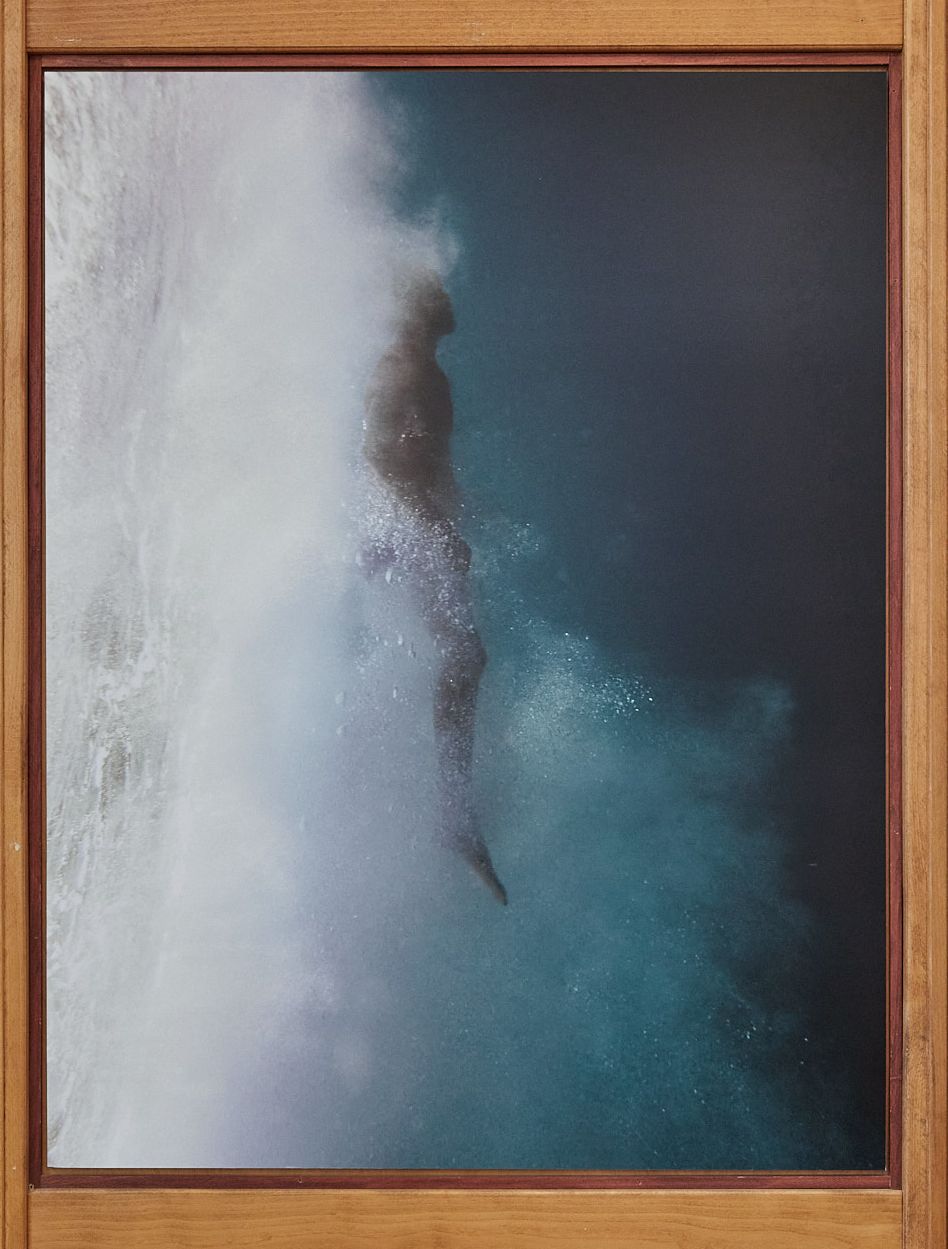
Nadia reimagines water as a transformative space that dissolves social categories and even potentially the line between human and nonhuman life. In the underwater world, material presence is unsettled. The traces of bubbles left by bodies become—as Nadia puts it—remnant figures that take on mythical shapes.
Gabriel’s ongoing series Portraits creates dreamlike scenes with vividly colored figures set against a stark white backdrop. The work plays with the limits of humanness: what is natural, imagined, of this world, or another? Through video and sound, Gabriel’s drag and vocal performances introduce visitors to unfamiliar species—and perhaps new deities.
These ideas differ from Dawson’s views. He believed humans were uniquely created in God’s image and set apart from the rest of nature. He thought the earliest humans were monotheists and that polytheism represented a decline. He also insisted that natural science should recognize the limits of its own explanations. When faced with unresolved phenomena, he wrote, “true science must confess that for the present she is baffled.”
In this respect, Dawson and the work in Artful Naturalism converge around an essential question that is echoed throughout this website: How is knowledge constructed, undone, and reshaped over time?
Dawson’s Desk, or the Soul of Science
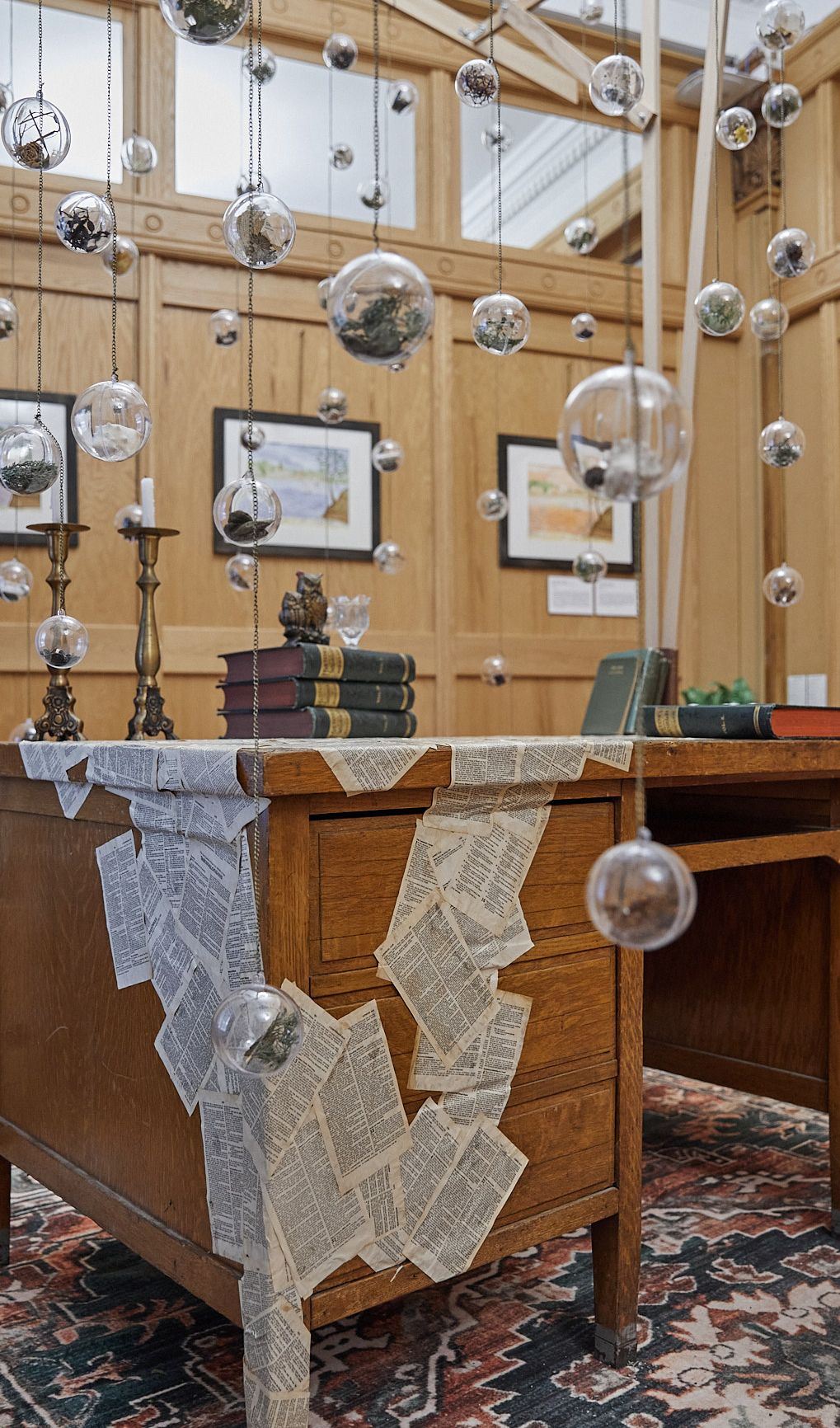
Based on archival research, this piece invites visitors into Dawson’s mind.
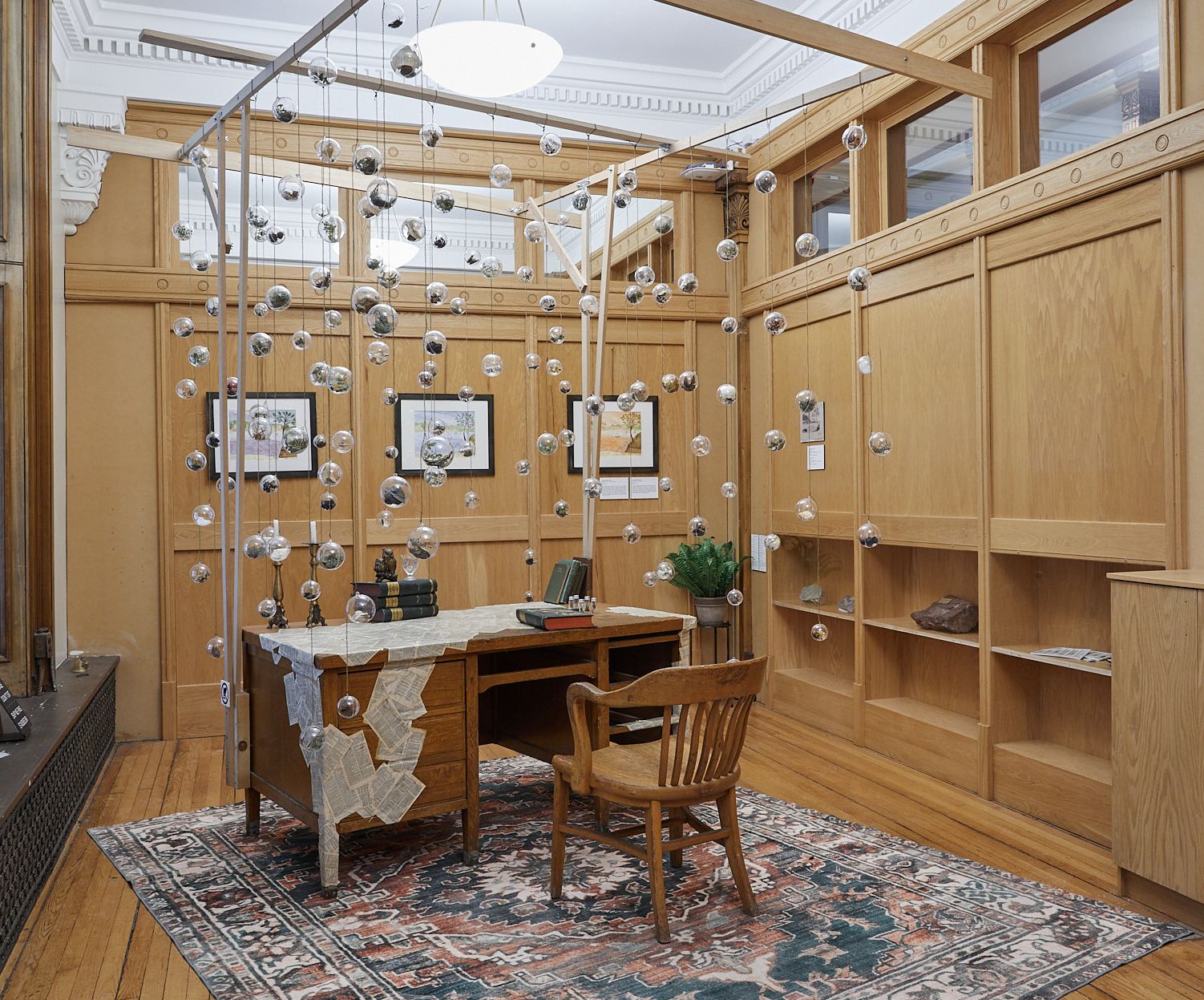
Dawson lived in a period of extraordinary change. As a natural scientist, he made cutting-edge discoveries while also insisting on the Bible’s unchanging truths.
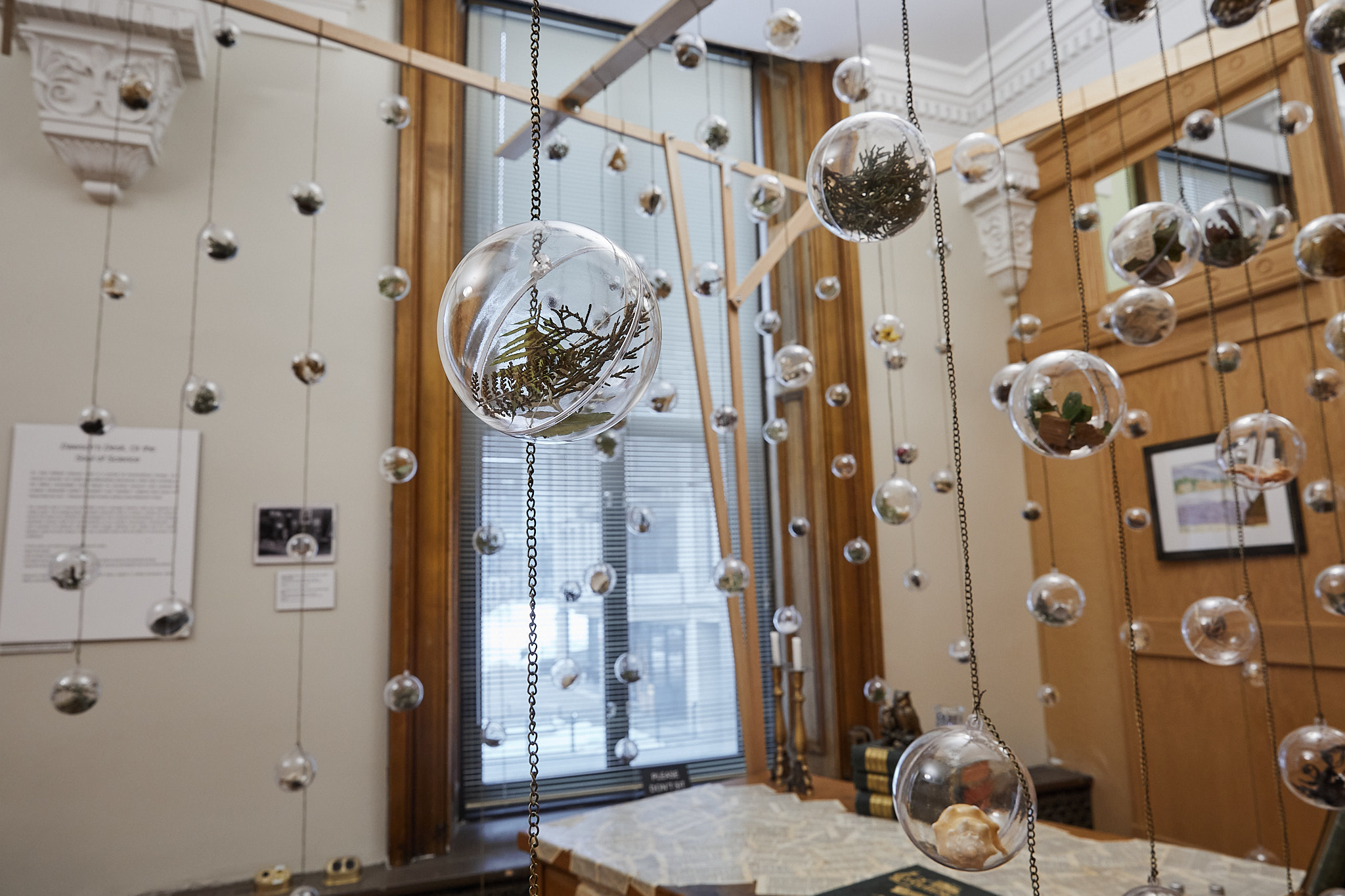
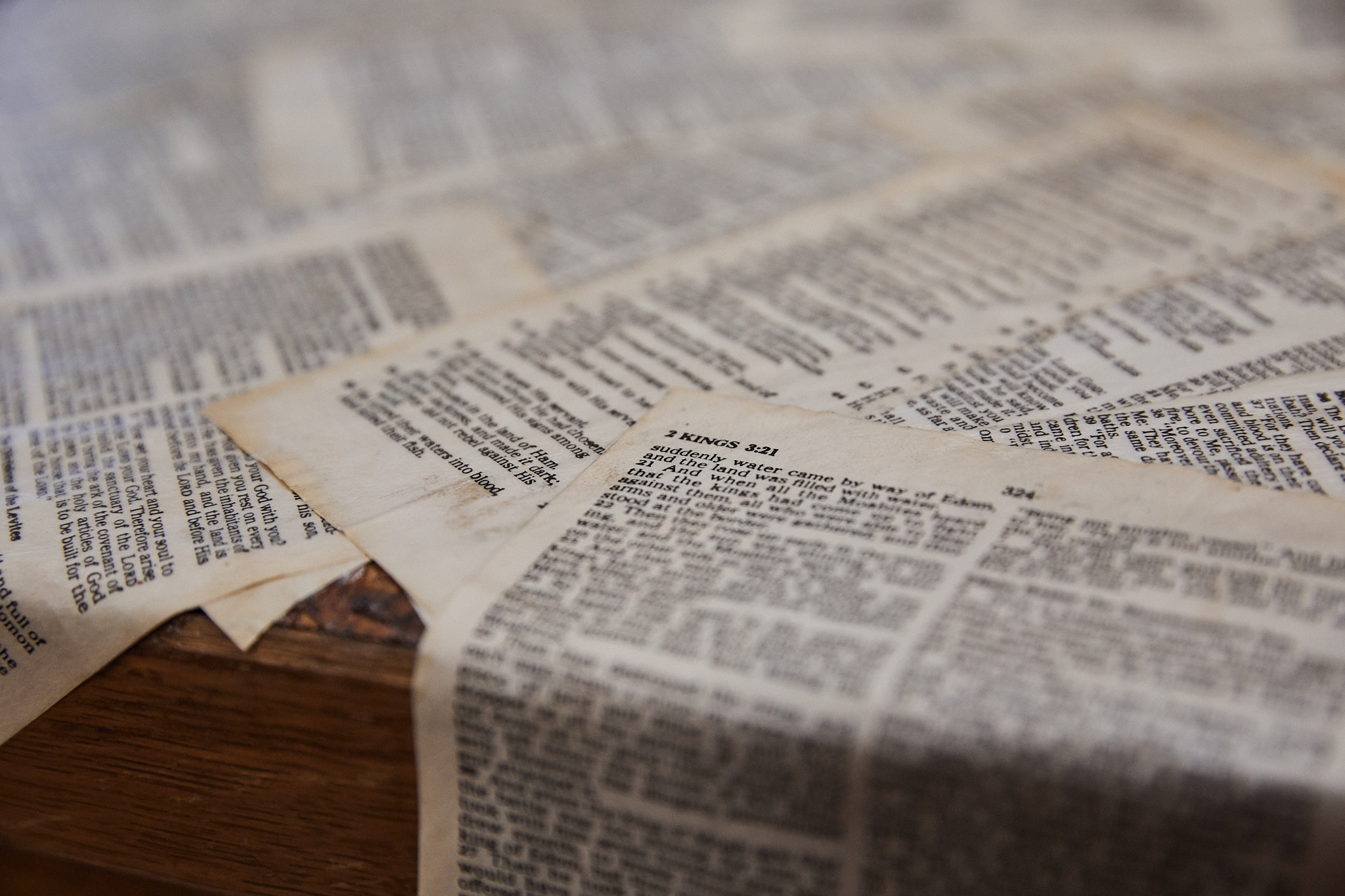
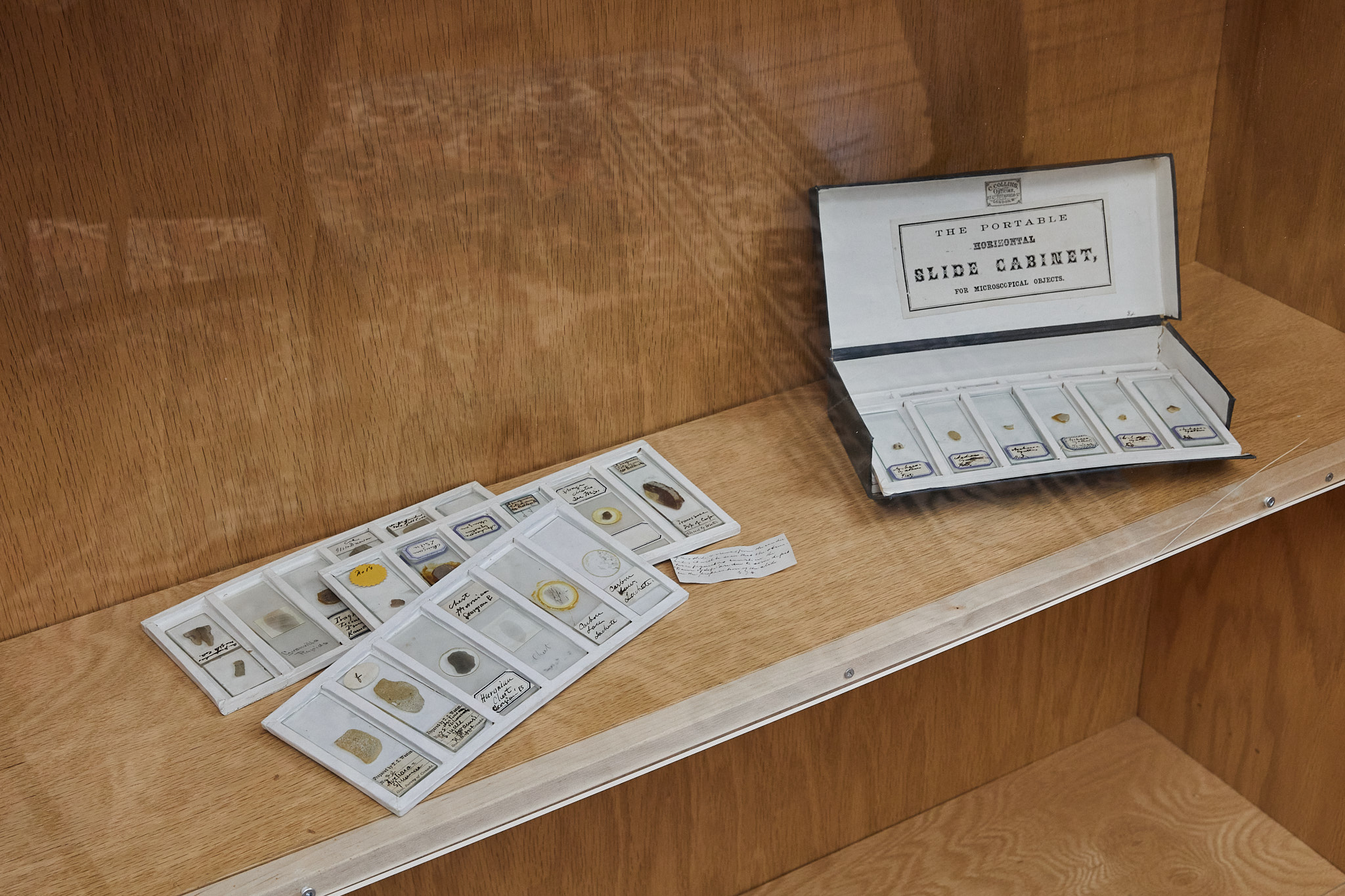
Dawson’s Desk reinterprets sculptor Alexander Calder’s “mobiles” and “stabiles”—objects that move and those that do not. The ponderous wooden desk is covered with Bible verses, which Dawson saw as a stable guide. The verses featured most prominently are those he often cited. The hanging globes represent new ideas in motion, evoking aspects of his scientific writing and sketches, along with the fossils and plants he collected. Among the hanging objects are facsimiles of ice crystals, microscopic “animalcules,” and coal—wonders he believed were especially indicative of God’s design. Dawson spent his life trying to align the new ideas of his day with the Bible he had known since childhood.
Transformations and Circa No Future
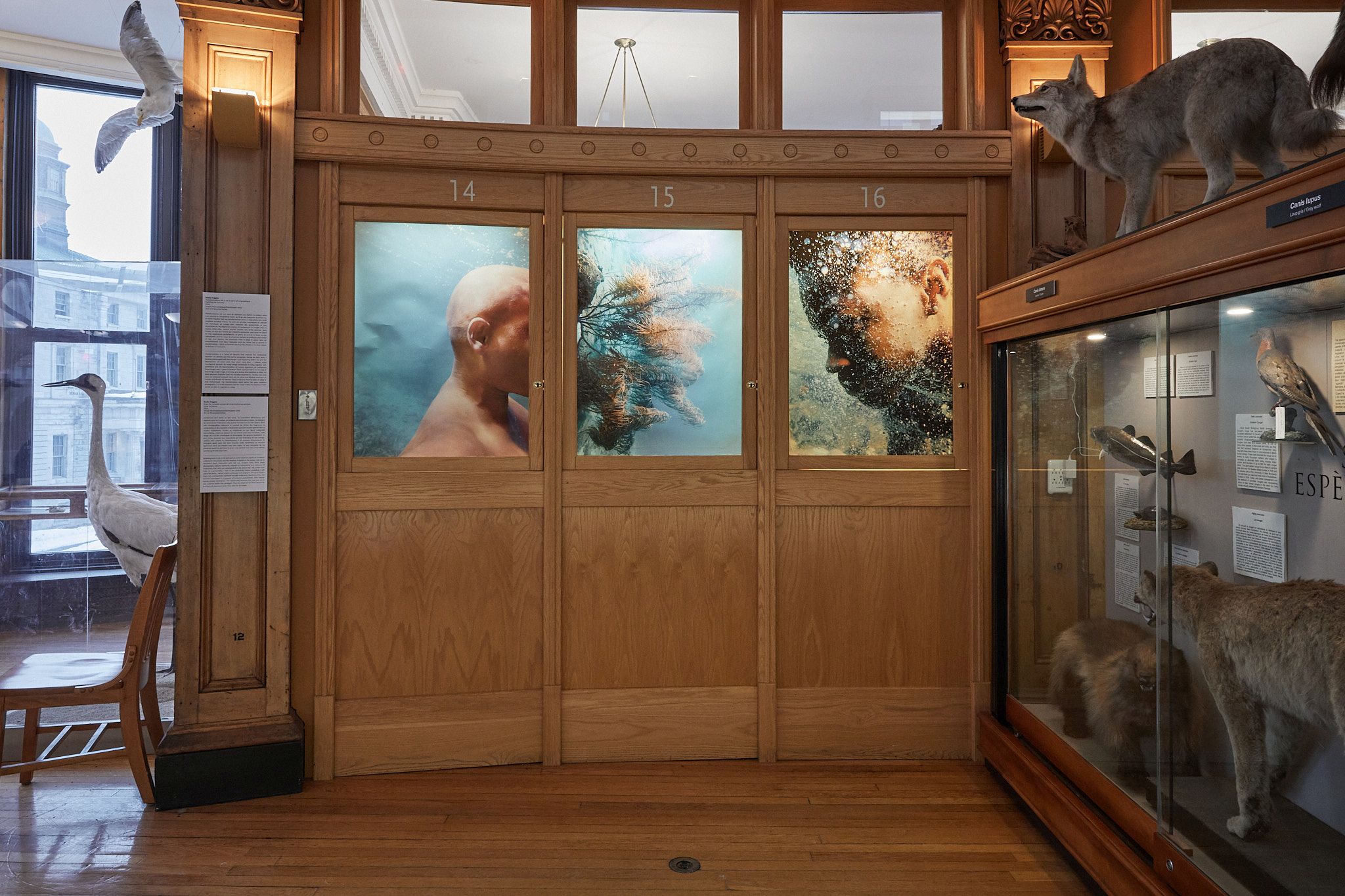
Placed among displays of mammals, birds, and fish, Nadia Huggins’s diptych Transformations pairs a portrait of the artist with a portrait of a marine organism. Nadia suggests that social categories such as gender or race dissolve underwater—and perhaps the boundary between human and coral as well. Drawing attention to the gap between the portraits, she writes: “The transformation exists within the space between photographs. It is in this moment that the viewer decides whether the two worlds remain separate or merge.”
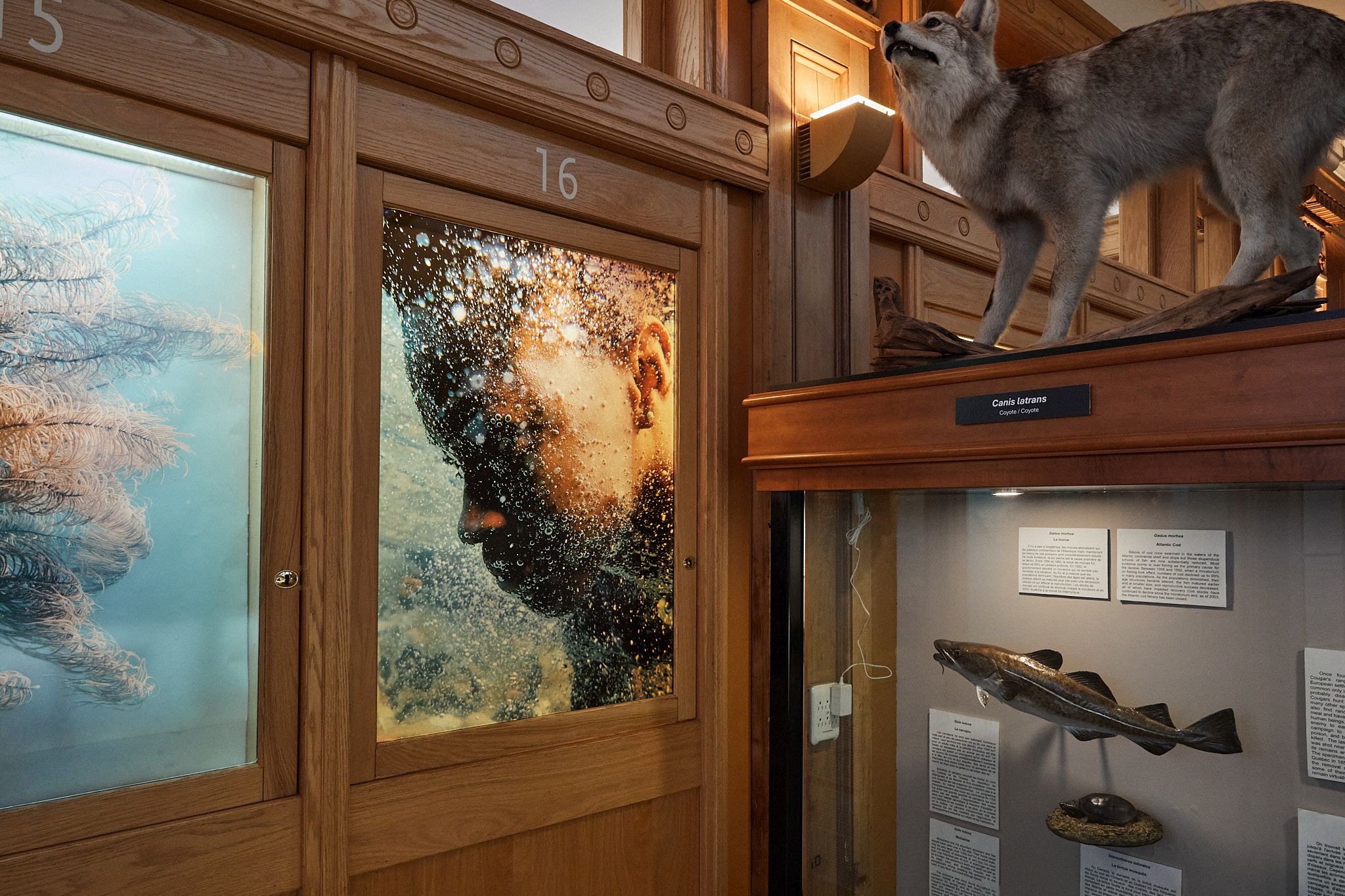
A third portrait from her series Circa no future documents how boys perform “manhood” by jumping into the ocean, briefly becoming innocently unaware as they hit the water. Here too, social categories dissolve in the movement between terrestrial and marine worlds.
Overlooking display cases filled with corals, shells, and rocks, images from Nadia Huggins’s series Disappearing People invite viewers to consider presence through absence. Unlike in the air on land, all movement creates a trace under water. The bodies of humans, birds, and fish leave bubbles in their wake. Where does materiality end and memory begin? As Nadia writes, “The remnants of each figure take on almost mythical shapes.”
Portraits
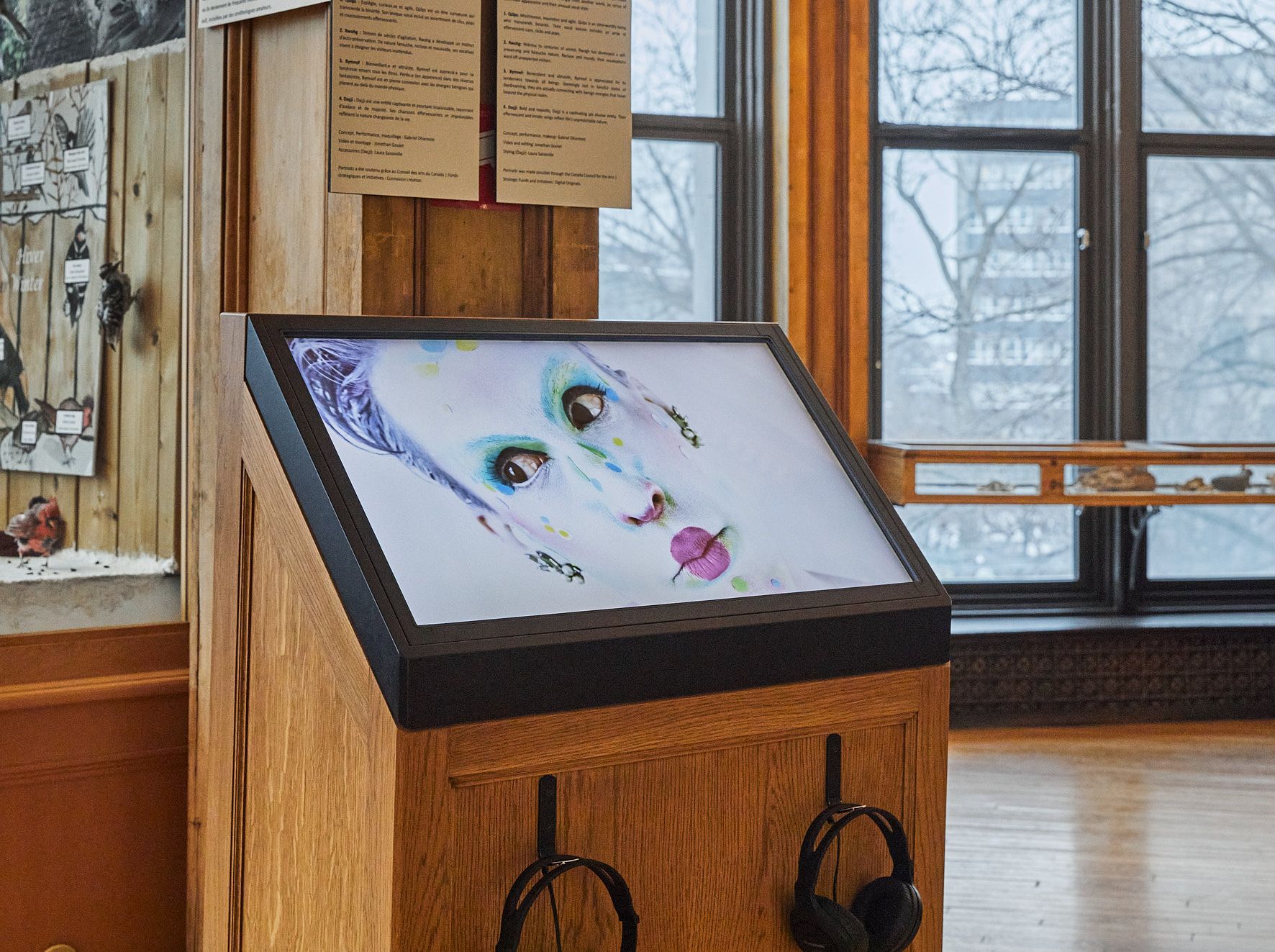
Screened among stuffed mammals and dinosaur fossils, Gabriel’s video series Portraits cycles through four characters that communicate with coos, clucks, and growls. Neither animal nor human: are they speaking to us? Their brightly colored features vibrate against a stark white background—otherworldly beings transported into natural history.
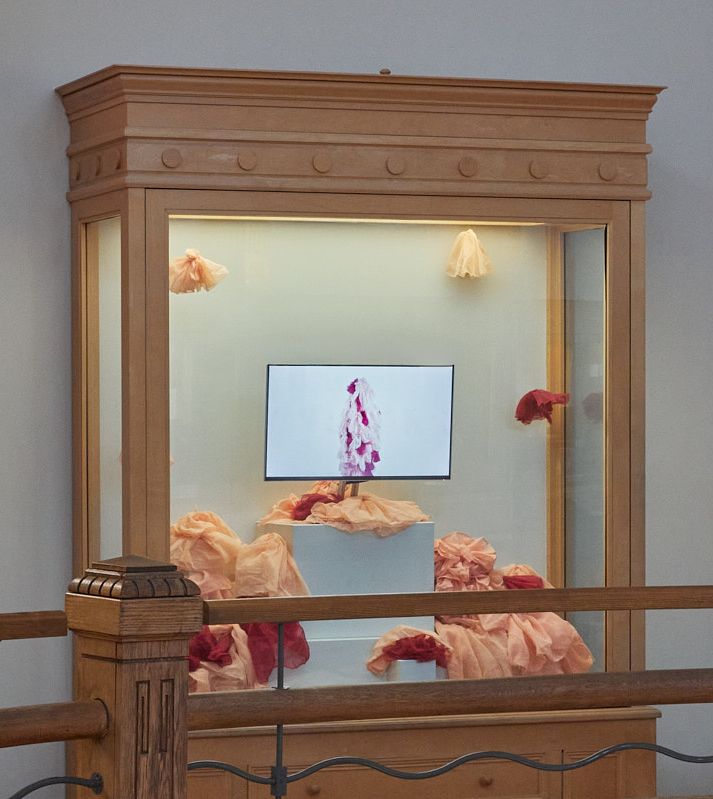
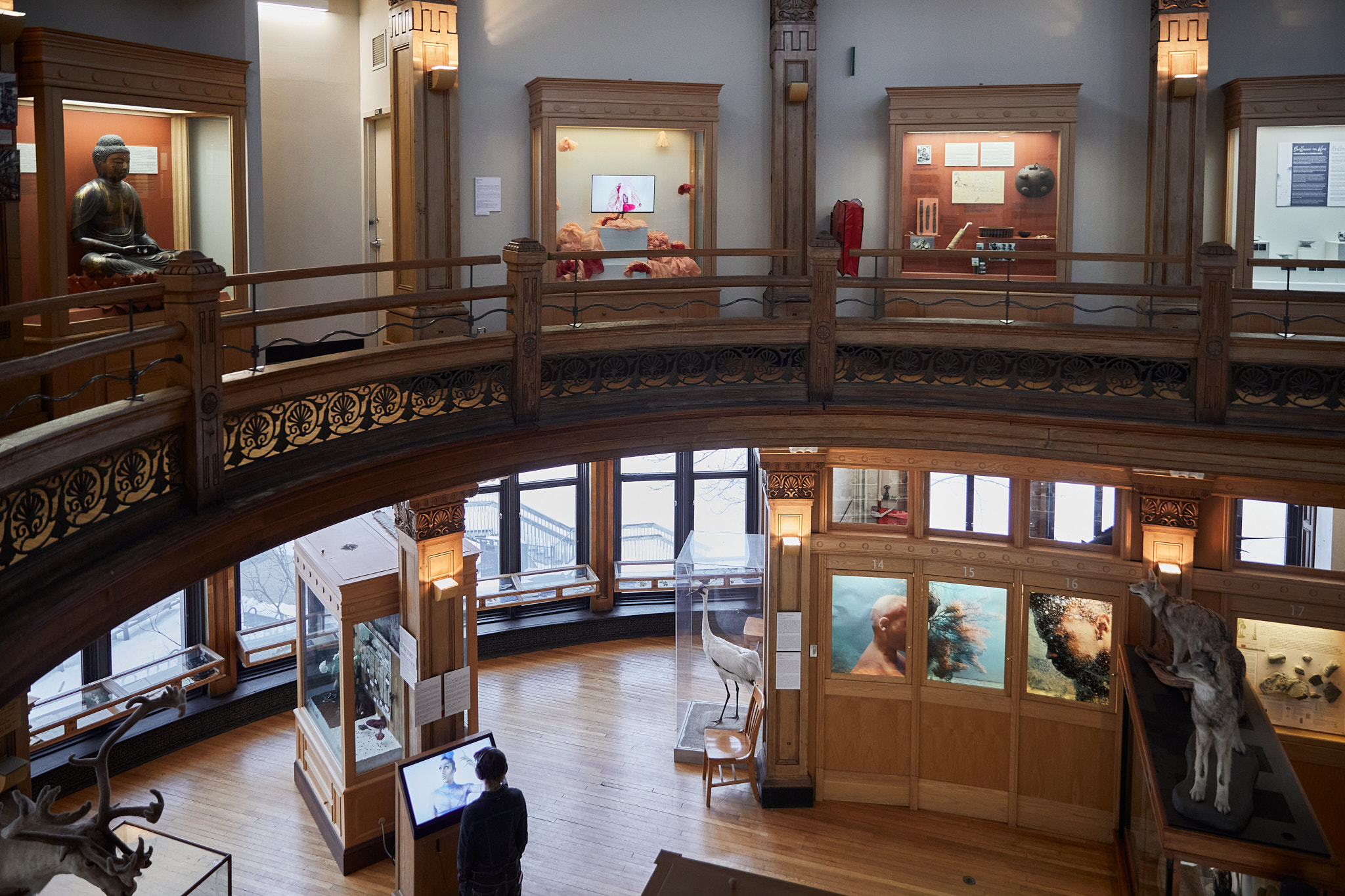
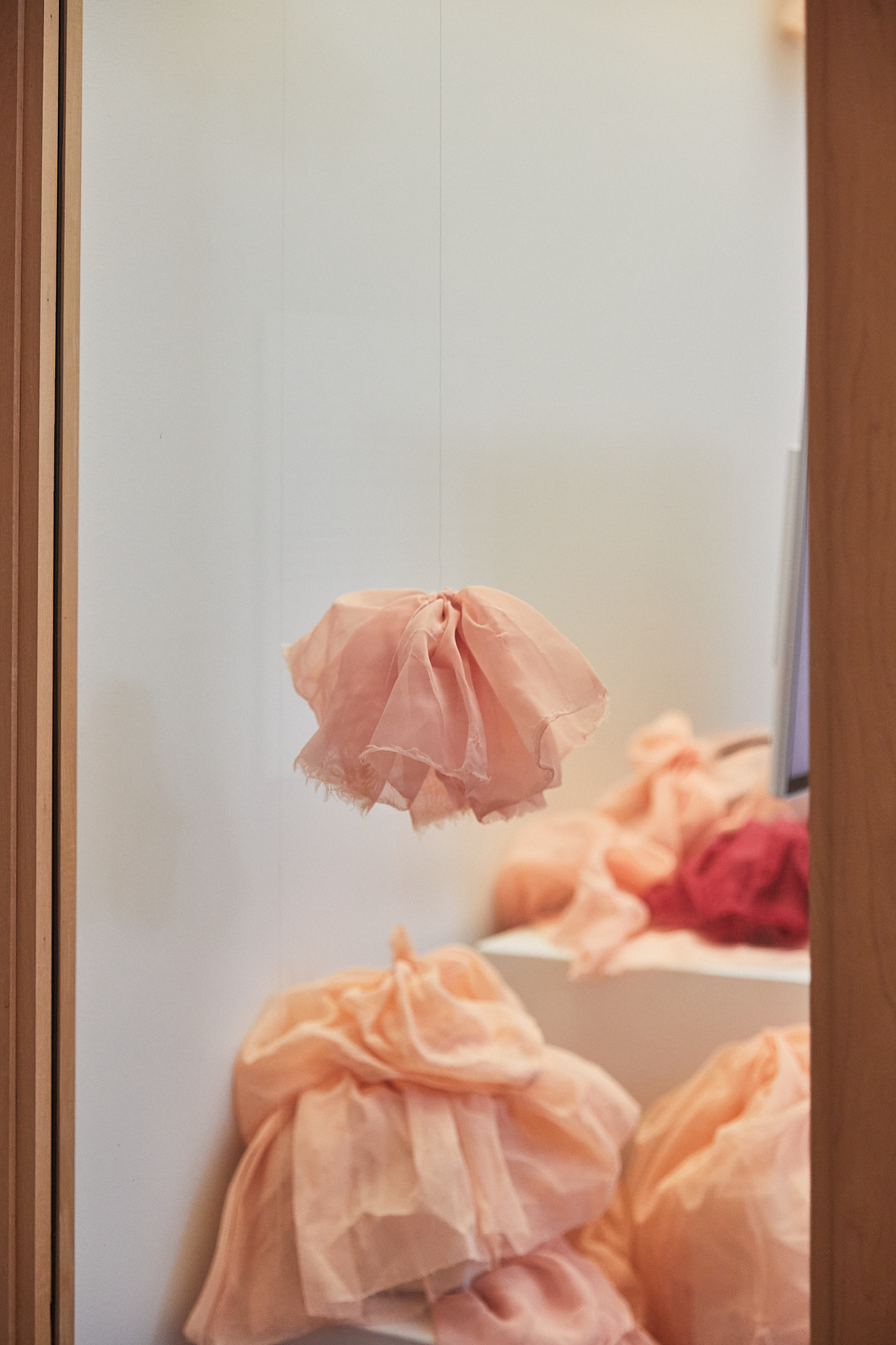
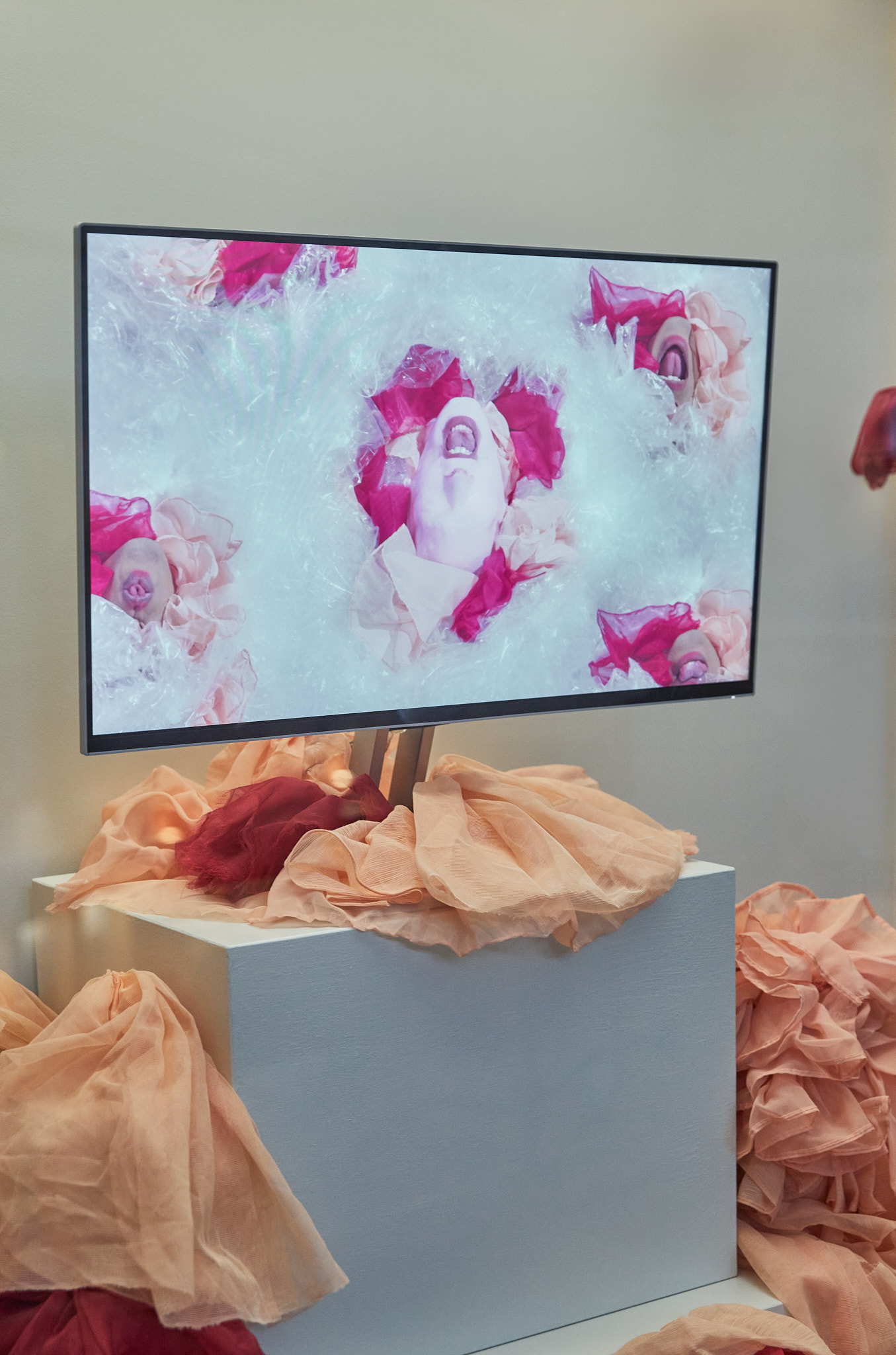
The museum’s top level displays artifacts from human cultures. There, Gulabrr inhabits a display case. To the right is a case of musical instruments. To the left, a statue of the Buddha in a lotus position on his path to spiritual perfection. The placement is fitting. Both playful and unsettling, Gulabrr sits between human-made art and spiritual mystery. Bathed in layered vocal sounds, the character moves through dreamlike scenes that melt into shimmering, syrupy textures.
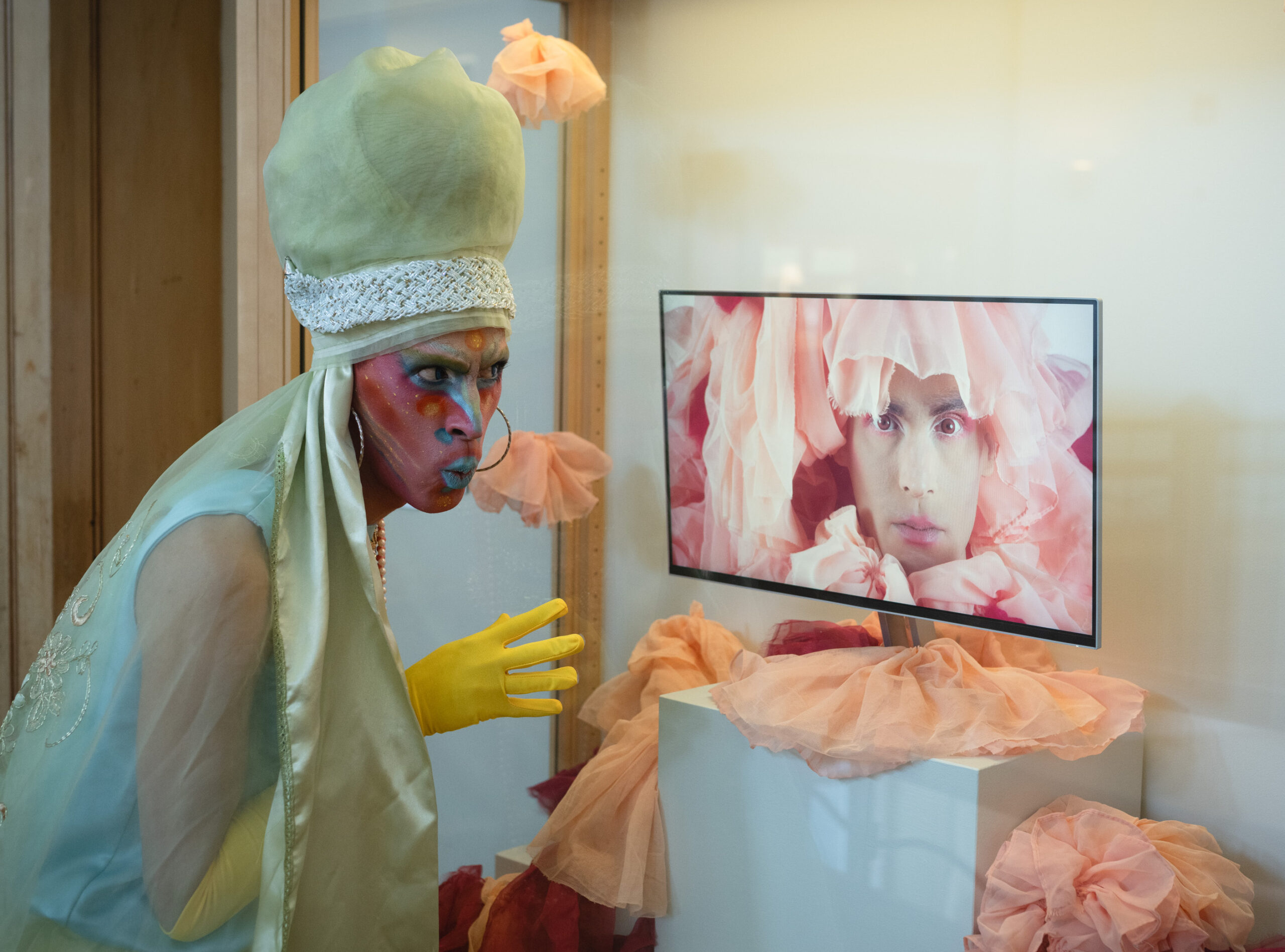
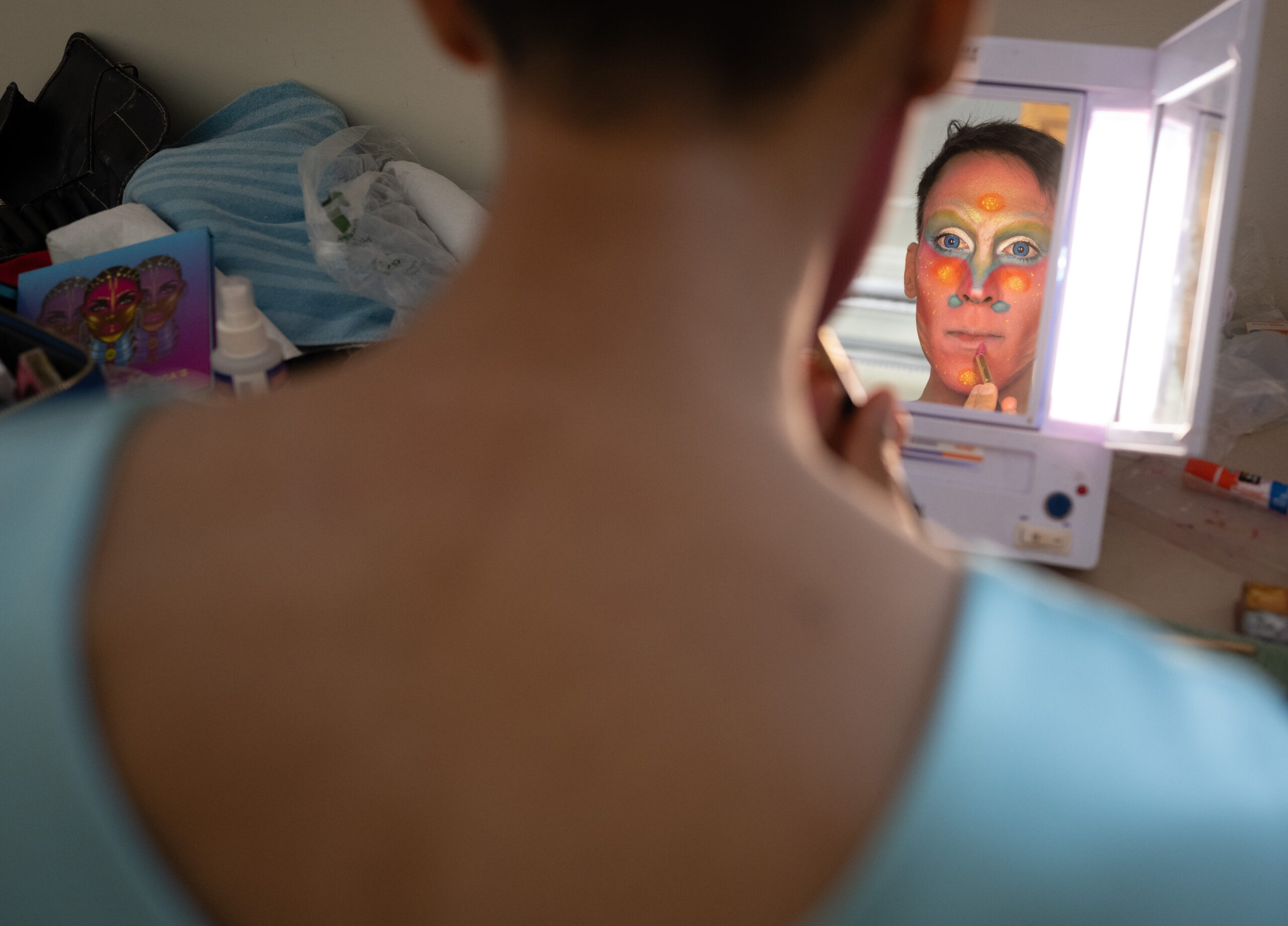
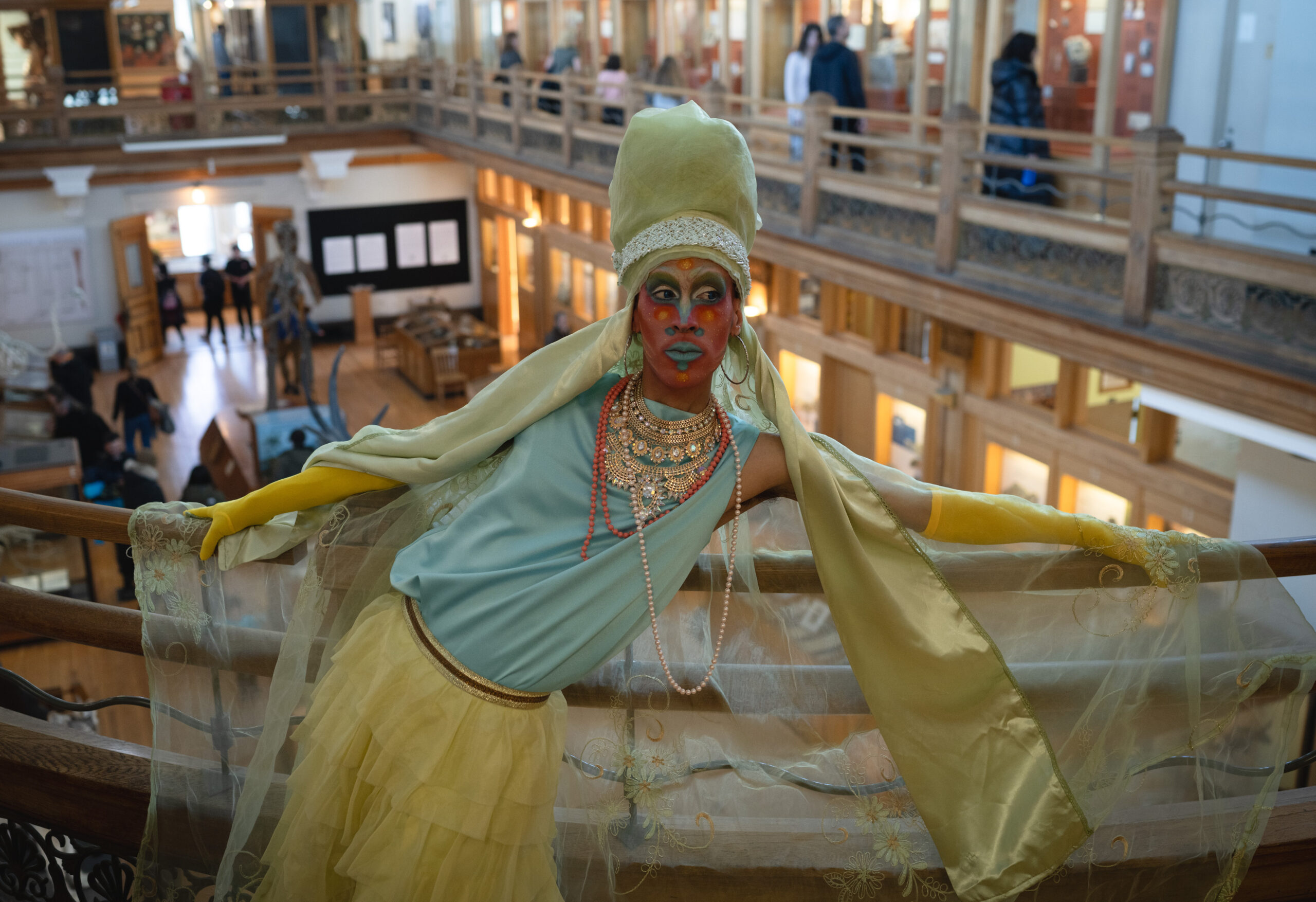
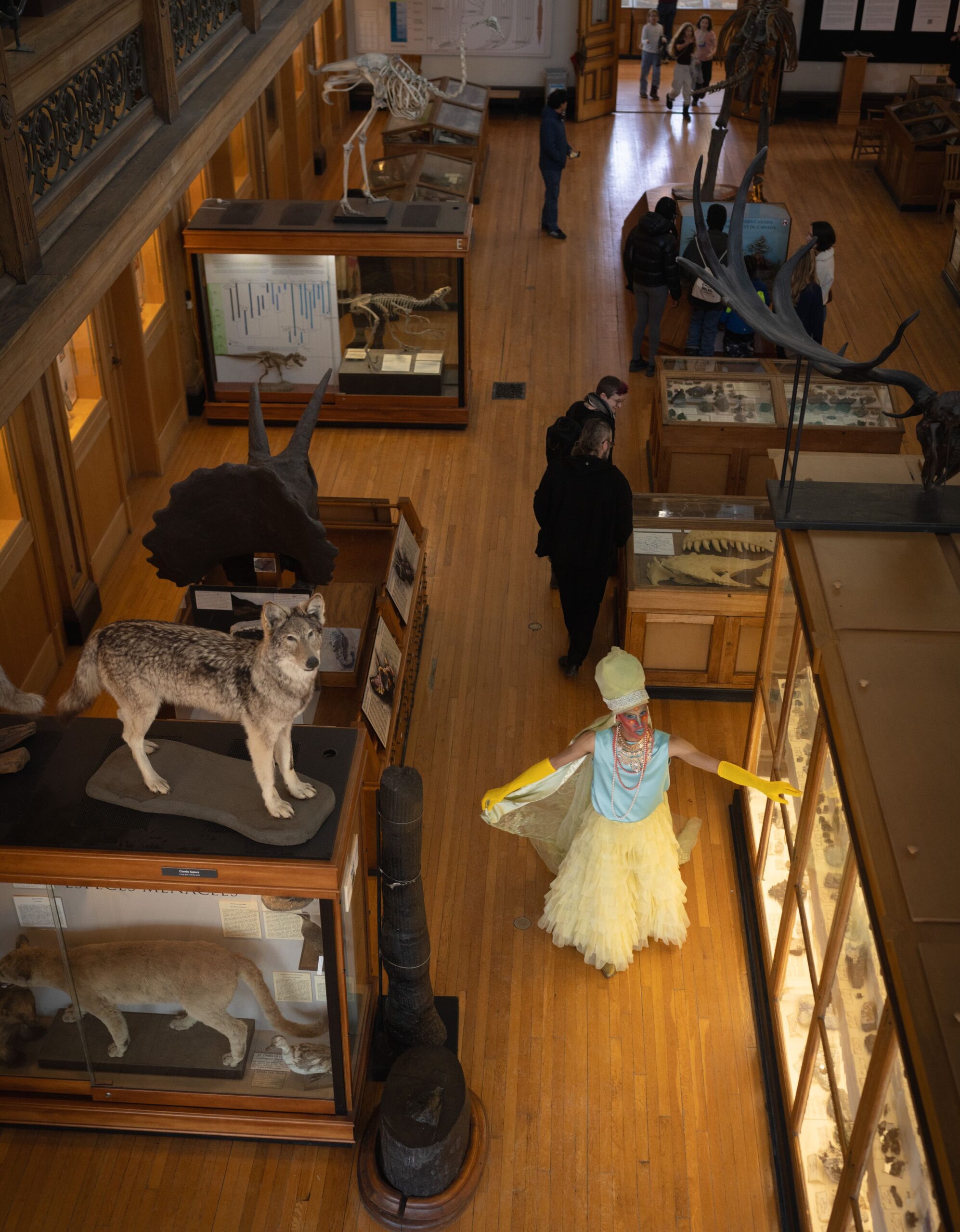
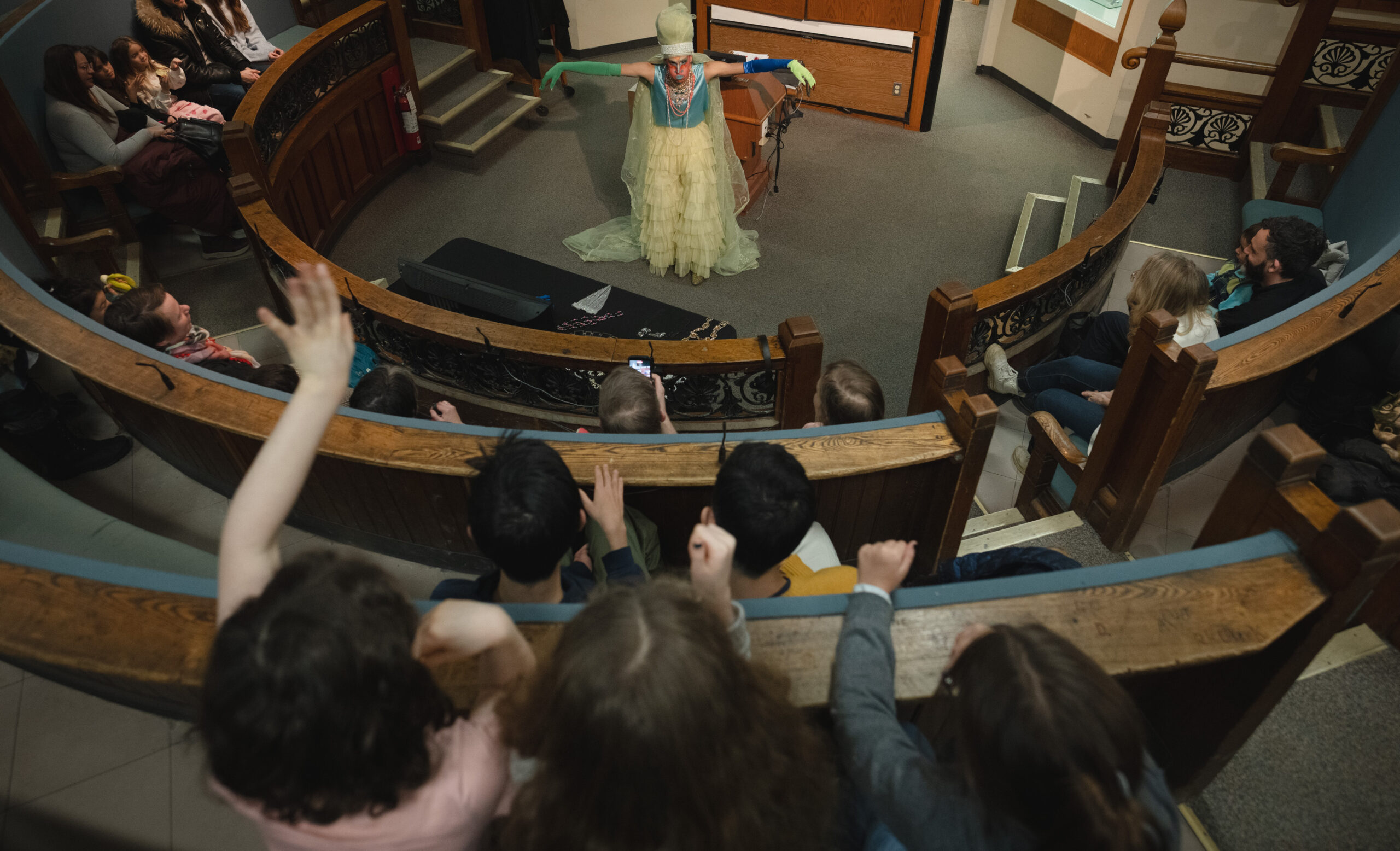
To cap the exhibit, Gabriel gave an interactive performance where visitors contributed to the creation of a new being by choosing its dress, vocalizations, and name. After the performance, this being was loosed in the museum galleries, wending its way through the Victorian architecture, pondering the multitude of other entities in the space, including Gulabrr.
For More information download the Exhibit Programme in English or French
Artful Naturalism Team
Credits
Interior Redpath Museum, McGill University, Montreal, QC, about 1910 Photography studio Wm. Notman & Son (1882-1919). McCord Museum Collections, VIEW-2603
Redpath Museum, McGill University, Montreal, QC, about 1910 Photography studio Wm. Notman & Son (1882-1919) McCord Museum Collections, VIEW-2605


